Celebrating (and Praying For) Love in Europe

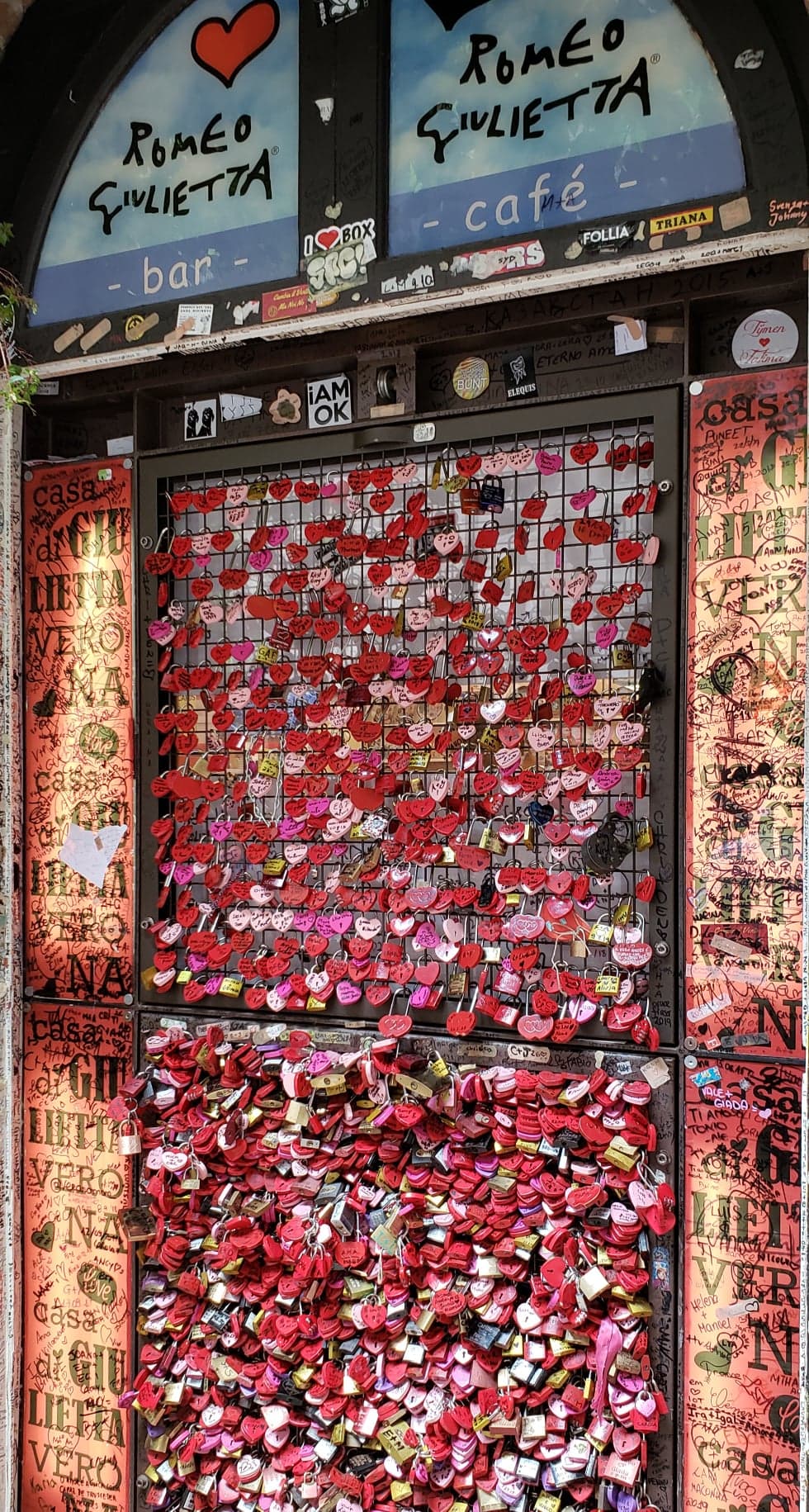
Love seems to be everywhere in Europe. Couples on vacation or honeymoons at every turn. Visual testaments to love carved in buildings, locked onto gates, and posted on walls.

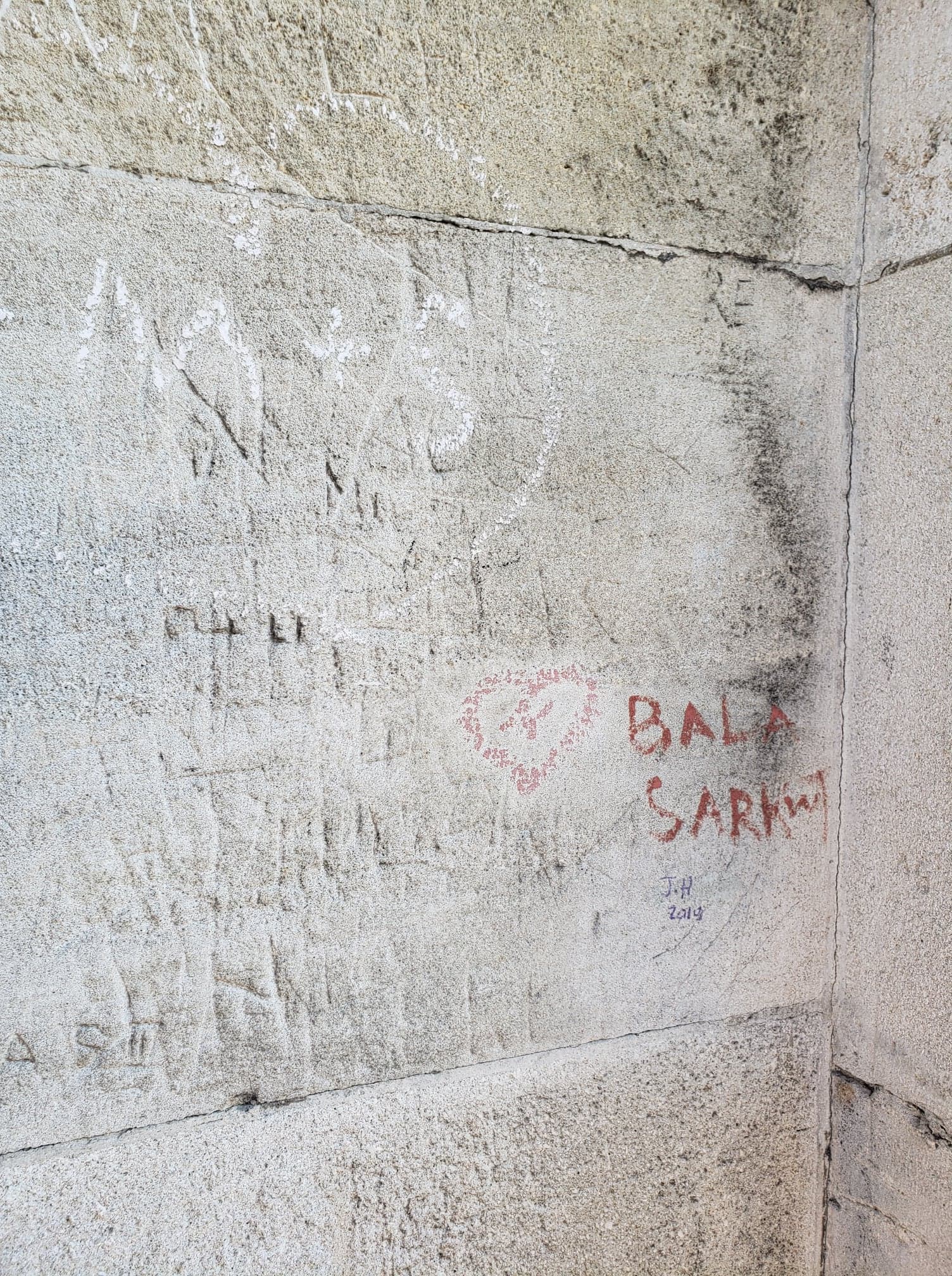
At the top of St. Stephen’s in Vienna, Austria I found initials encircled by hearts as I overlooked the city.
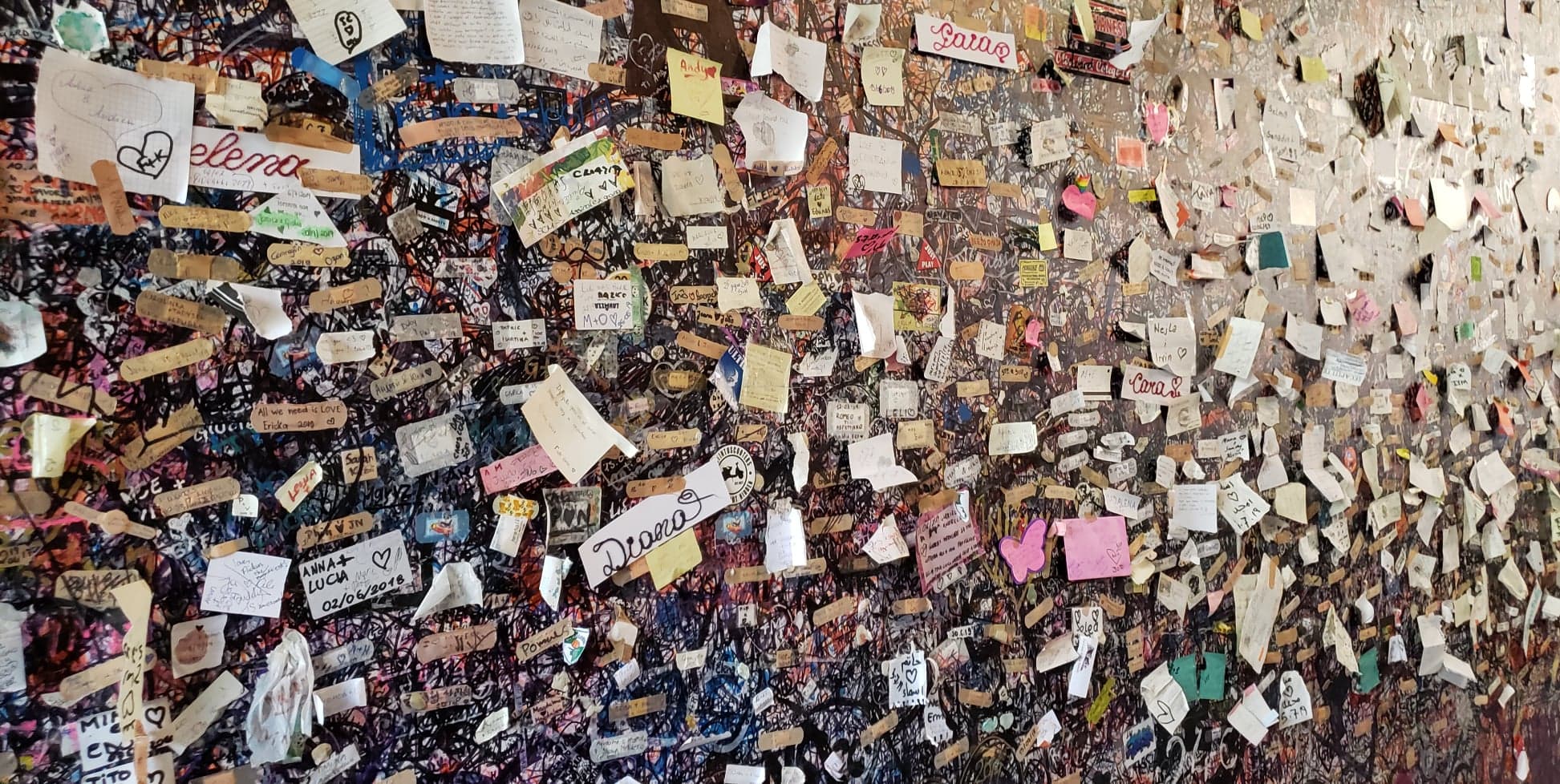
I visited Verona, City of Love, and the setting of Shakespeare’s Romeo and Juliet. The walls of the tunnel going to the courtyard with Juliet’s statue were covered in messages to Juliet from top to bottom. On band-aids, notes, and written on the wall.
Hundreds of people gathered around the statue of Juliet for their photo-op touching her breast for luck (even those happily married). The experience has been very commercialized, but it’s still a very powerful feeling to be surrounded by so much evidence of the human need for love.

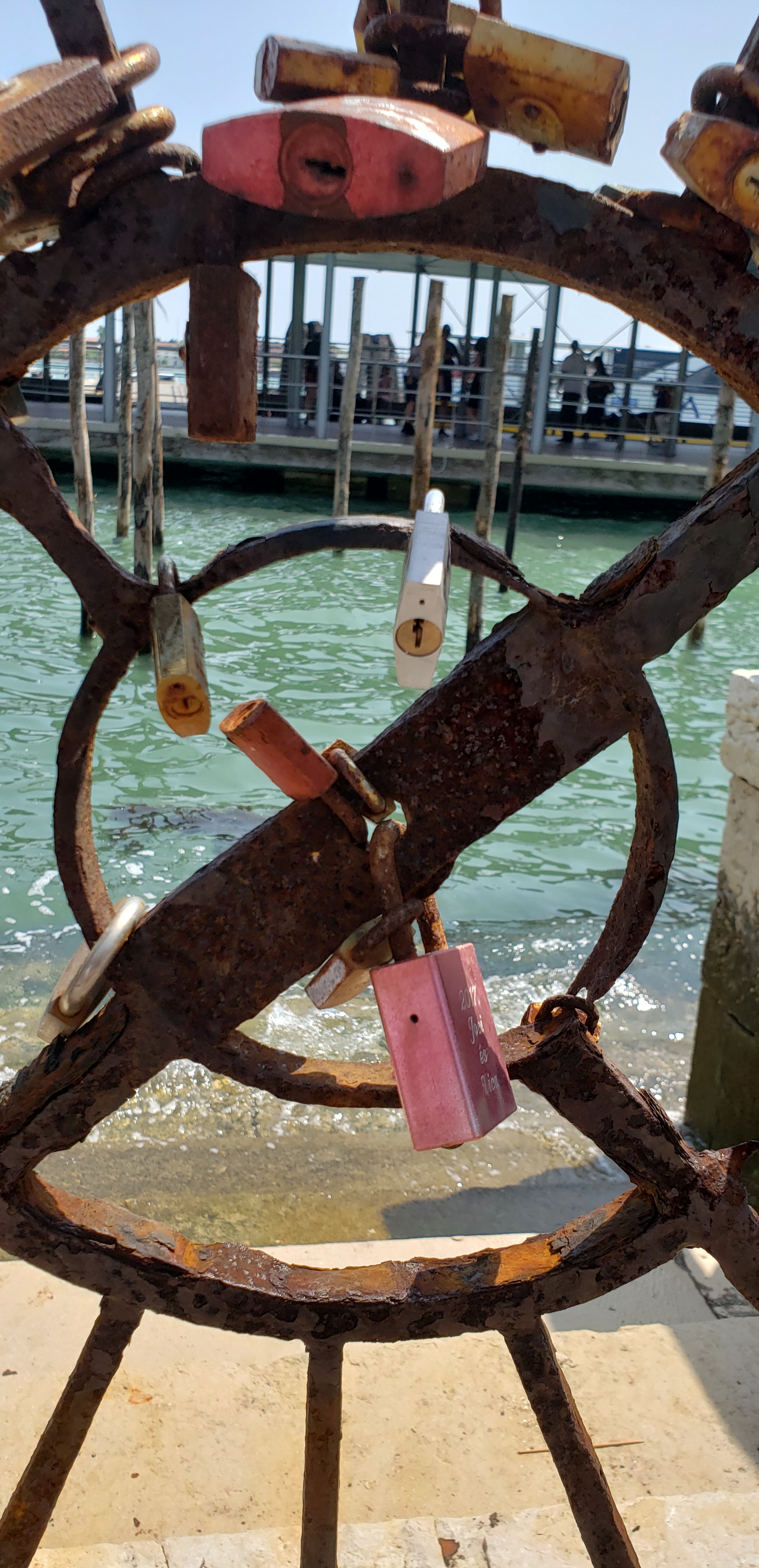
In Venice, near St. Mark’s square, I found more love locks by the Giudecca canal overlooking the water. We saw couples holding hands, taking photos together, and even dancing in the street.
Romance seems to be woven into European culture. I’d like to come back with someone special and make some memories of my own!
Survival of the Venetian Gondolier

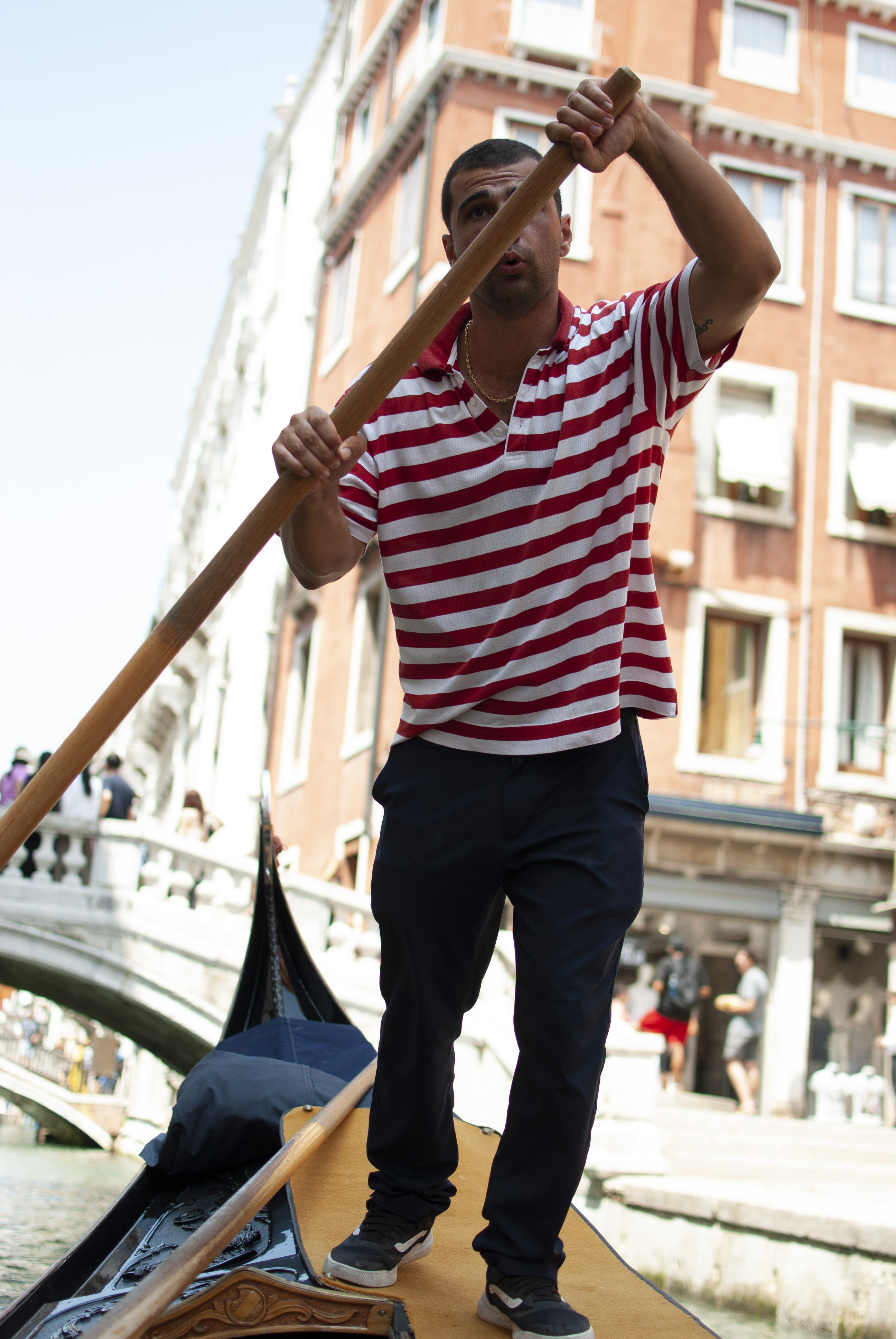
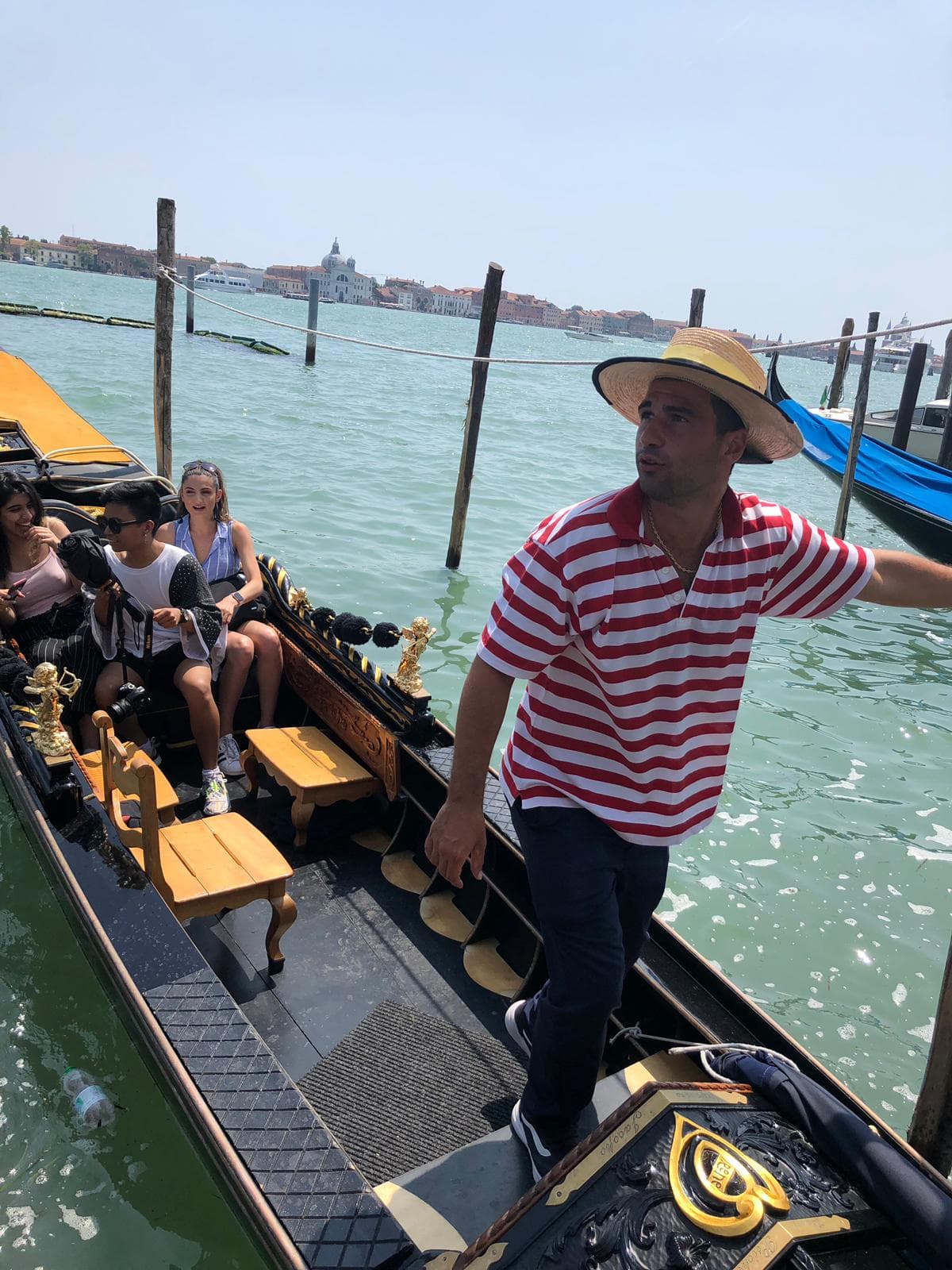
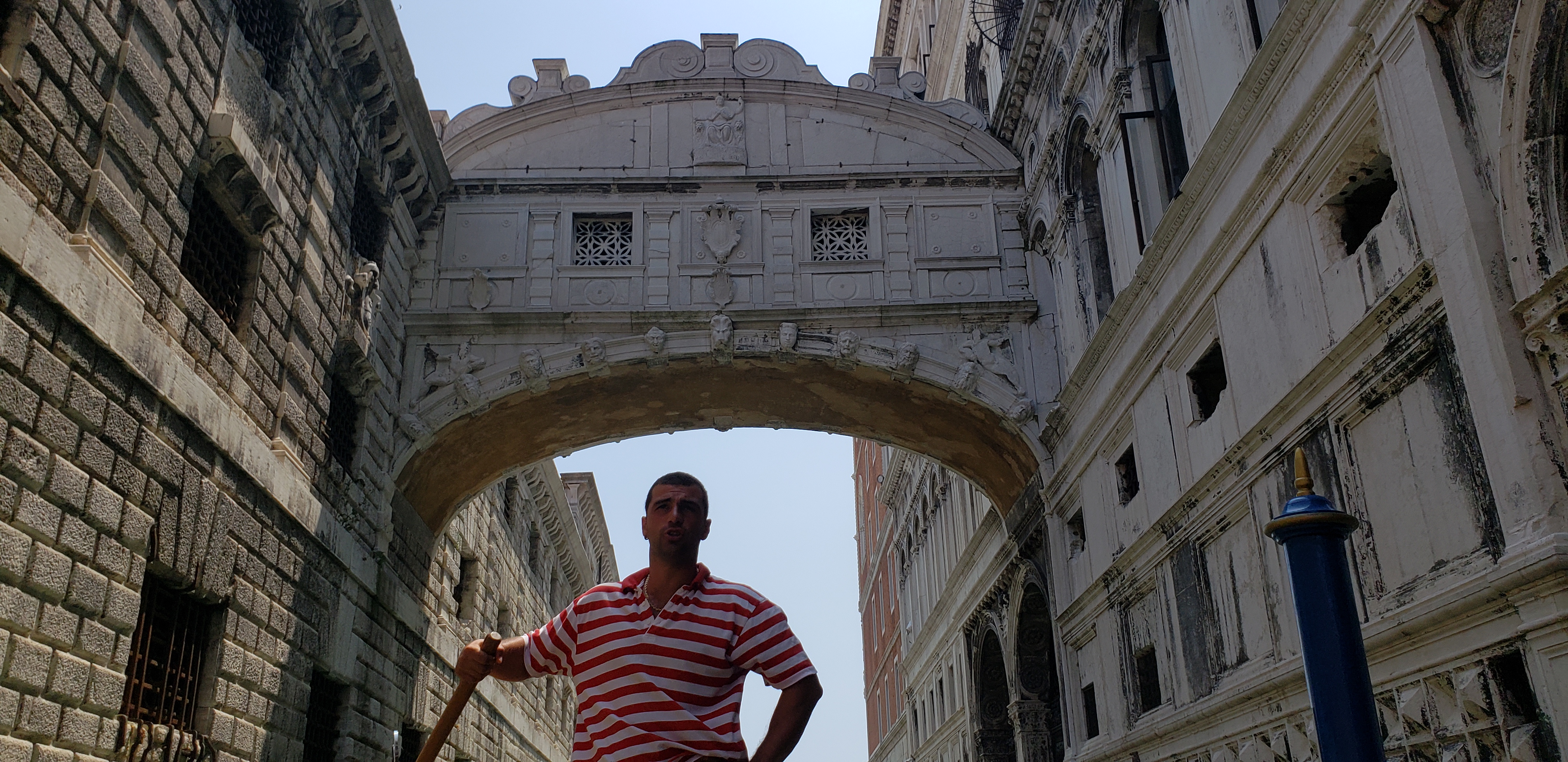
When you think of Venice, the first thing most people think of is the iconic gondoliers and romantic gondola rides through the cities’ canals. During our daytrip to Venice we decided to indulge in the quintessential experience and found ourselves a boat.

As we glided through the canals of the “City of Water” we talked with our gondolier Tommaso and learned about the history of Venice and the gondolier. In the early days of the city, gondoliers were employed by rich families to travel the city but are purely for tourism purposes nowadays. Each gondolier will decorate their boat with elaborate carvings, fabrics, and golden figures to attract customers.

He told us that Venice is home to 433 gondoliers who all own their own boats and are part of a union, minimizing competition for customers across the city through price standardization.

The gondolier trade is usually a family affair passed down from father to son starting from a young age. Tommaso started learning from his father at the age of 10 and started working professionally by himself at 20. As a father to two young boys himself, ages 6 and 10, he’s excited to teach them the family trade on his days off.

To support his family, he said it was very important that he worked during the peak season, May to August. Venice is one of the most visited cities in the world, averaging 20 million visitors a year and only growing with time. Demand during the busy season has many gondoliers working 12 hours or more a day. During the off-season they only average 1 trip a day, making survival tough.   

After 10 years of working the canals, he says it hasn’t changed much over the years. The gondolier is still part of the lifeblood of Venice, just in a different way.

The only disappointing part of our ride was learning that gondoliers only sing in the movies!

Notes: My interviewee’s name is Tommaso (no last name given), 30, born and raised in Venice, and still living there today. He’s been working as a gondolier for 10 years and was trained by his father. Venice is one of the most visited cities in the world and the gondolier and gondola rides are huge tourism draws.

Artistic Duality in Vienna

When I thought about Europe, I imagined historic buildings, statues, and paintings by famous artists like Da Vinci, Picasso, and Klimt. However, the first thing I noticed upon entering the city of Vienna was the street art along the tracks and on the trains themselves.

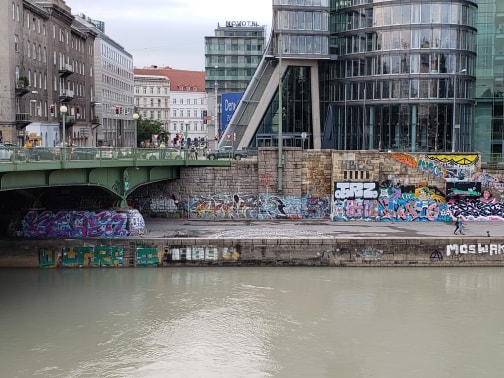
The canal near the Adagio hotel where we were staying showcased graffiti artist tags beside politically charged phrases and cartoon characters. I learned that the city of Vienna is famous for its street art and the city hosts the “Streetlife” festival every year to celebrate this aspect of the Viennese culture.

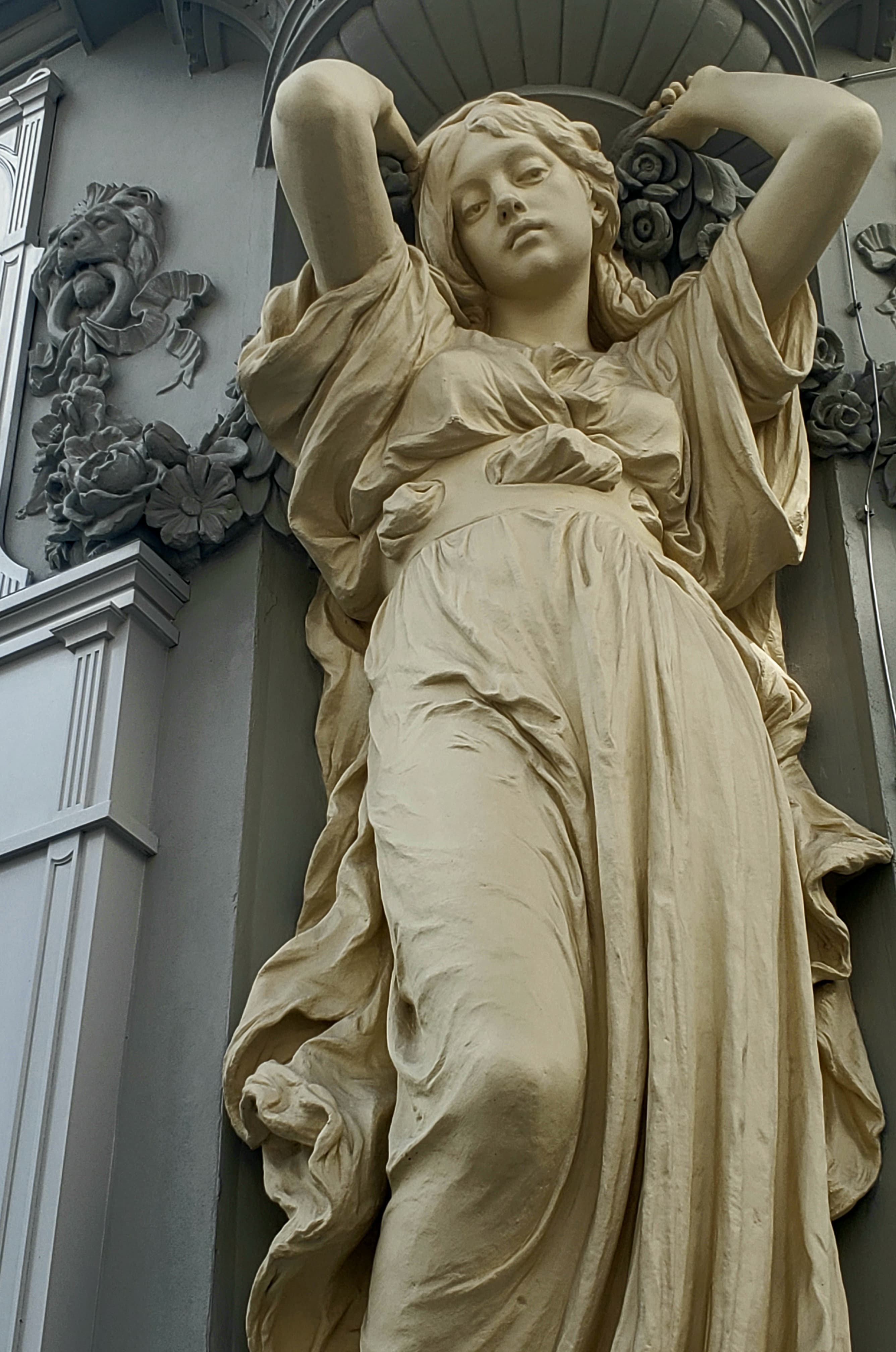
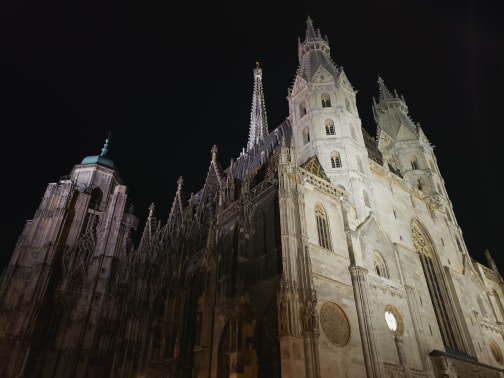
As we got closer to downtown and into the more historic districts of Vienna the beautiful architecture of the intricate moulding, statues, and murals came alive. St. Stephen’s Cathedral, the hauntingly beautiful jewel of the city, represents the classic beauty of Vienna, though unfinished and slightly scorched.

After wandering the streets, The Belvedere Museum, and The State Opera House, one of my favourite things about Vienna is that the city celebrates its historic roots and more traditional art forms right along with its urban street art. The city embraces both, it encourages both, it is both.